
Chunking Theory & Memory Techniques
Introduction to the theory at the center of mastery of Chess!
Chunking theory is not well known, but it is a compelling idea. Memory, in general, is a mystery. However, many aspects of memory are understood, as memory is one of the most critical mental faculties. From ancient history till today, a good memory is a crucial aspect of success. Many of the greatest minds shared thoughts about memory and developed techniques to improve memory. Performance in most activities can be enhanced through improved memory. Chess has been referred to as the drosophila of Artificial Intelligence, sometimes extended to human cognitive research. Similarly, the fruit fly has been a mainstay of genetics research. Many studies on Chunking Theory have been conducted on chess players due to the simultaneous simplicity and complexity, allowing researchers and theorists to use Chess to test mental functions. I will briefly overview memory techniques from ancient times, the history and basis of chunking theory, and the power of chunking theory, especially how chunking theory is at the center of all memory techniques.
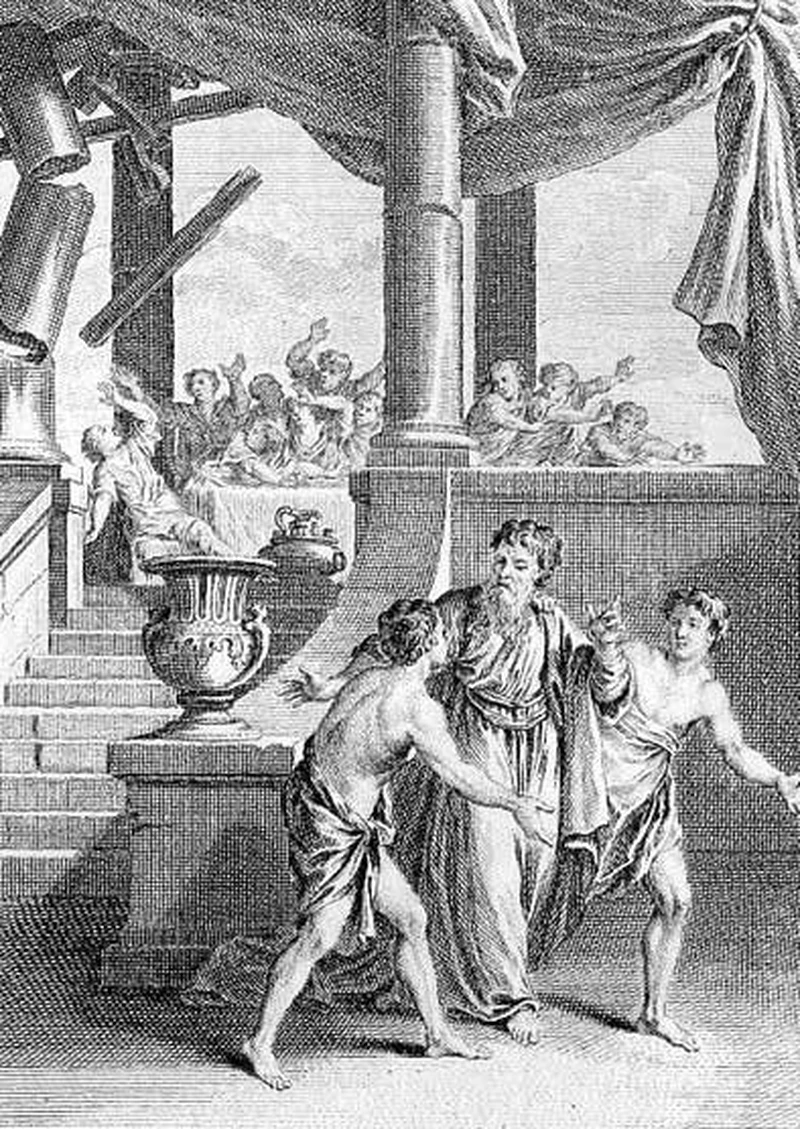
Simonides of Ceos & the Method of Loci
The earliest recorded memory techniques are mnemonics. Mnemonics are mental devices that chunk multiple pieces of information into one piece that can be easily recalled from a single mnemonic. Mnemonics have been utilized in all cultures since the earliest times to help remember important information. Another ancient technique still popular today is the Method of Loci, attributed to pre-Socratic Simonides of Ceos and the famous tragic story of the collapsed banquet hall. Having stepped outside, Simonides could later remember who was inside by mentally visualizing traveling from table to table to recreate who was at each table. Roman Cicero & Quintilian's writing on the importance of memory to rhetoric mentions the method of loci, mnemonics, and other visualization techniques to help facilitate recall by attaching memories to mental images. Both quote Rhetorica ad Herennium (of unknown origins), which describe natural and artificial memory, positing the ability to train the mind to increase artificial memory through various techniques. Plato and Aristotle wrote about memory. Plato understood memory as awakening pre-existing forms, while Aristotle took a more rational approach. From the time of the ancient Greeks till the modern era, there was little advancement in understanding memory. Without an explanation of the mechanisms of the mind, dualistic models that separated mind and body dominated models of the mind. In the late 1800s, as scientists started to measure and test the output of the mind, including memory, the field of psychometrics grew with Darwin and Galton. However, the main progress in understanding memory did not occur until the 1950s.
Researchers started studying the output of the mind with psychometrics. Chess performance was a popular field for cognitive research attempting to explain performance differences. In the 1950s, famous promoter of the Speed-Reading technique, Evelyn Woods, and others started popularizing memory and mental techniques to enhance the performance of the mind. Shortly after, researchers began making advancements in the scientific understanding of memory, mainly through the development of Chunking Theory. In 1953, Bousfield wrote ‘Occurrences of Clusters in the Recall of Randomly Arranged Associates’, first noticing the role of chunking in memory. However, the main breakthrough came in 1956 with George Miller’s ‘Magic Number Seven Plus or Minus Two’ and the concept of short-term memory, specifically that short-term memory is limited to about seven items. The limitation on short-term memory can only be overcome through ‘Chunking’ together units of memory.
Since 1956, Chunking has been a well-known concept among cognitive psychologists, but it is not generally popular. Chess is one of the leading testing grounds of psychometrics, the drosophila of AI (we will return in future essays to discuss Artificial Intelligence and Computers), and cognitive research. Chess was used for many of the first studies on chunking theory. In 1973, Chase and Simon in ‘Perception of Chess’ used chunking theory to explain the difference between the performance of chess players. Today, Chase and Simon’s Perception in Chess is an important research paper that explains cognitive performance. Although primarily developed in chess studies, chunking theory has broader implications for memory, cognitive science, decision-making, and expertise.
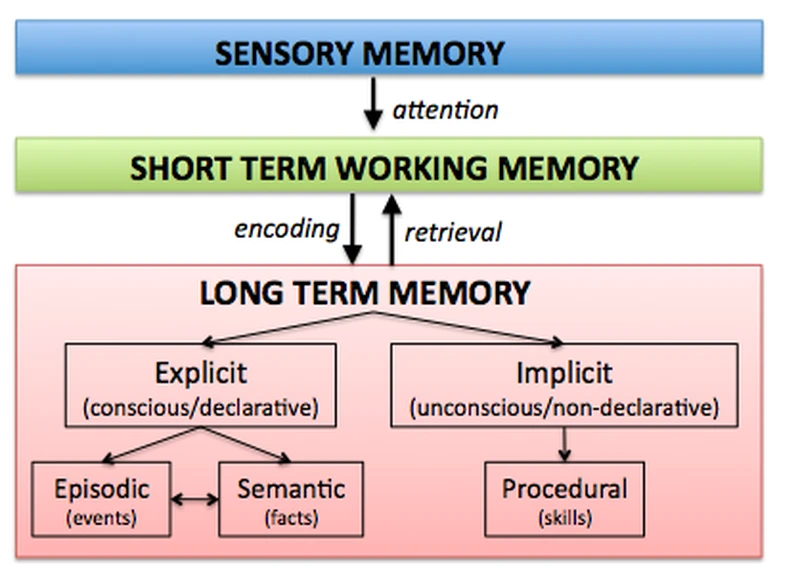
Chunking is a process by which individual pieces of an information set are broken down and then regrouped together in a meaningful whole. The Chunks by which the data is grouped are meant to improve short-term retention of the material, thus bypassing the limited capacity of working memory and allowing working memory to be more efficient. In future essays, I plan a thorough history of chunking theory and a review of current models of how the mind chunks information and the neural correlates of chunking theory. Then, I will show the relationship of chunking theory to the Multiple Truth Hypothesis and how chunking theory can help understand the Hard Problem of Consciousness.
Chunking theory can prove to be of great benefit, as with the basics of chunking, we can understand the secret of all mental techniques. As Cicero noted in Ancient Rome with the method of loci, visual memories are the most potent form of memory, and to aid memory, one should ‘chunk’ concepts with images, as modern neural sciences estimate up to 40% of brain activity is used for visual processing. Also, mnemonics are pure chunking, where one chunk (mnemonic) can be unlocked into the pieces of information coded within the mnemonic. Stay tuned for more on chunking theory, some of the famous studies related to Chess, and how we can all use chunking as a practical mental technique that can immediately produce results in improving cognitive functioning. We will also consider the relationship between memory of knowledge and skills in my series on Models of expertise.
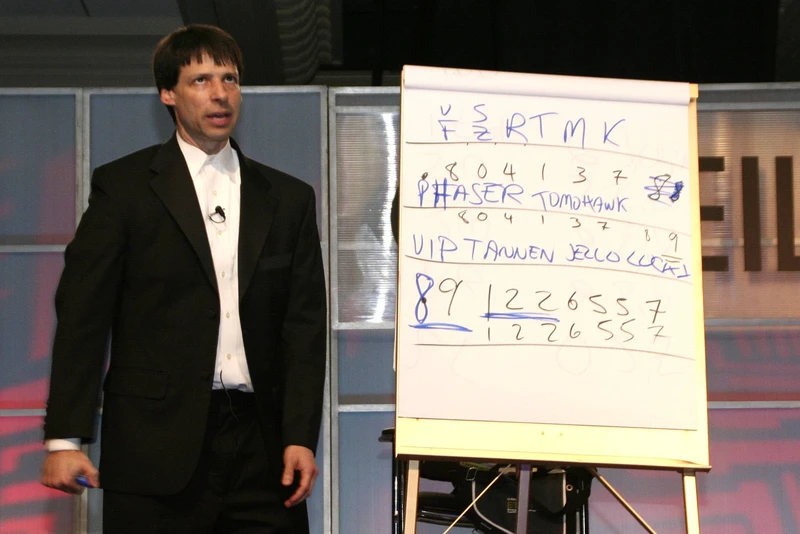
Professor Arthur T. Benjamin: Mathemagician and Memory Master
You may also like
 DIAChessClubStudies
Mystical Approaches to the Meaning of Chess
Know Thyself by Playing Chess! - Alternative Spiritual Reasons to Play Chess CM HGabor
Thinking in counterthreats
A little case study about threat handling - how to do it as a GM CM HGabor
How titled players lie to you
This post is a word of warning for the average club player. As the chess world is becoming increasin… DIAChessClubStudies
Kotov’s Chess Candidate Moves & Analysis Trees
What are the origins of Kotov's ideas and their importance? DIAChessClubStudies
Chess as a Pedagogical Tool – Four Basic Concepts
How to use Chess to teach children basic thinking skills! IM theScot