
Types of Draws in Chess: A Comprehensive Guide
We’ll explore the various types of draws in chess, supported by real-life examples from legendary battles. Whether you're a seasoned player or an aspiring grandmaster, this guide will deepen your understanding of chess dynamics.Chess is a game of infinite complexity, where every move carries the weight of potential victory or defeat. However, not all games end with a winner and a loser. In fact, draws are an integral part of chess, especially at the highest levels of play. For hardcore chess players, understanding the nuances of different types of draws is essential to navigating complex endgames, saving lost positions, and even forcing a draw against stronger opponents.
1. Stalemate
What is a Stalemate?
A stalemate occurs when the player whose turn it is has no legal moves and is not in check. This results in an immediate draw, regardless of the material advantage on the board. Stalemates are often the result of a player’s oversight, especially in winning positions.
Real-Life Example: Carlsen vs. Van Wely, 2007

(Pic Courtesy: Chess.com)
In a game between Magnus Carlsen and Loek van Wely, Carlsen, despite being in a completely winning position, accidentally stalemated his opponent. Van Wely had only a king left, and Carlsen, with a queen and king, failed to deliver checkmate properly. This example highlights how even the best players can fall victim to stalemates.
Key Takeaway:
Always be cautious in endgames, especially when you have a significant material advantage. Ensure your opponent’s king has at least one legal move unless you’re delivering checkmate.
2. Threefold Repetition
What is Threefold Repetition?
A draw by threefold repetition occurs when the same position occurs three times with the same player to move and all possible moves available (including castling and en passant). The player claiming the draw must provide a valid scoresheet or have the arbiter confirm the repetition.
Real-Life Example: Karpov vs. Kasparov, 1984 World Championship
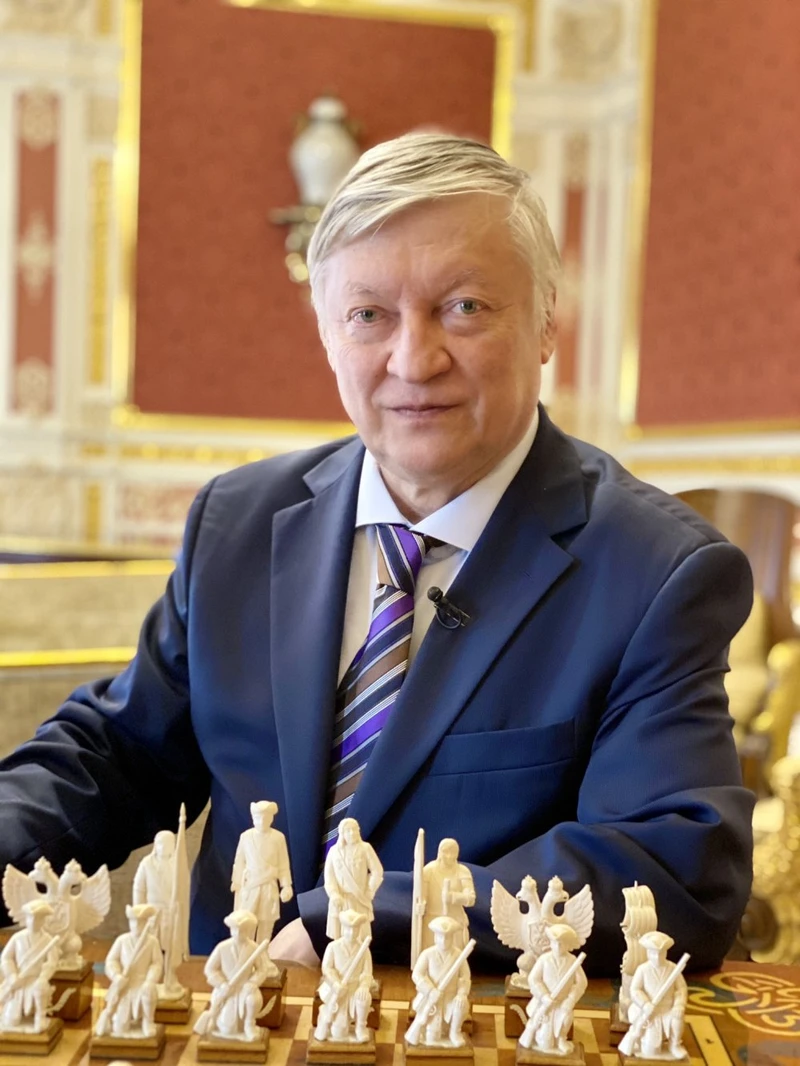
(Pic Courtesy: Chessbase)
In the legendary World Championship match between Anatoly Karpov and Garry Kasparov, Game 27 ended in a draw due to threefold repetition. Both players were locked in a tense battle, and the repetition rule allowed them to avoid unnecessary risks in a balanced position.
Key Takeaway:
Threefold repetition is a powerful tool to force a draw in equal or slightly worse positions. Always keep an eye on recurring positions, especially in complex middlegames.
3. Fifty-Move Rule
What is the Fifty-Move Rule?
The fifty-move rule states that if fifty consecutive moves are made by both players without any pawn movement or capture, either player can claim a draw. This rule prevents games from dragging on indefinitely in positions where neither side can make progress.
Real-Life Example: Ivanchuk vs. Yusupov, 1991 Candidates Match
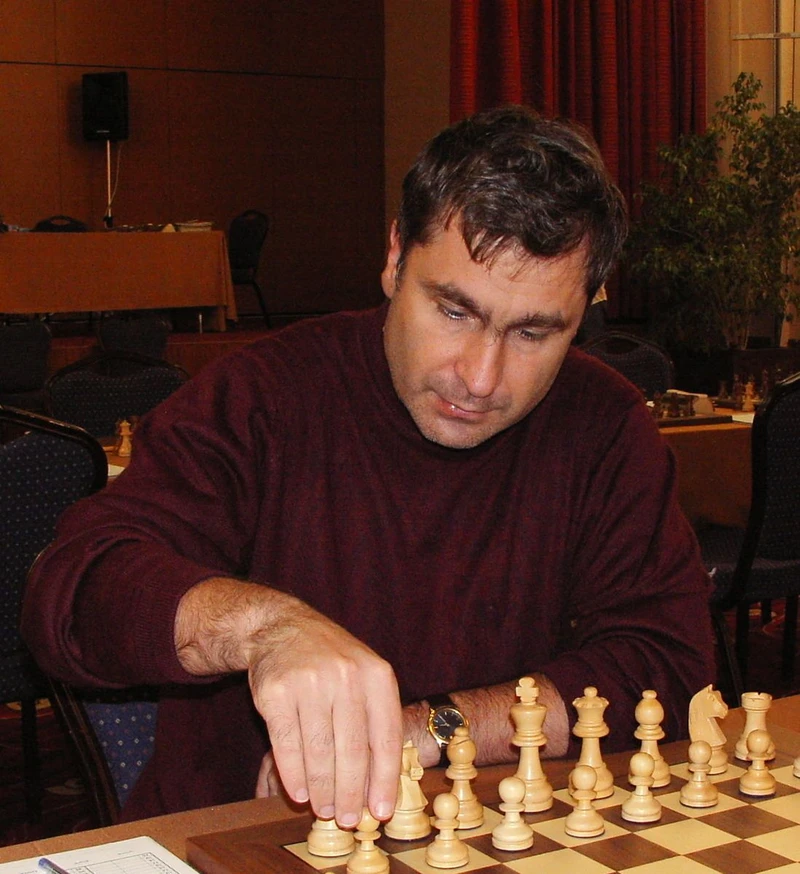
(Photo Courtesy: Chess.com)
In a critical game between Vassily Ivanchuk and Artur Yusupov, Ivanchuk was pushing for a win in a rook endgame. However, due to the fifty-move rule, the game was declared a draw after no progress was made for fifty moves. This rule saved Yusupov from a potential loss.
Key Takeaway:
In endgames, be mindful of the fifty-move rule. If you’re defending, use it to your advantage. If you’re attacking, ensure you make progress before the rule comes into effect.
4. Insufficient Material
What is Insufficient Material?
A draw is declared if neither player has enough material to deliver checkmate. Common scenarios include:
- King vs. King
- King and bishop vs. King
- King and knight vs. King
Real-Life Example: Anand vs. Kramnik, 2007 World Championship
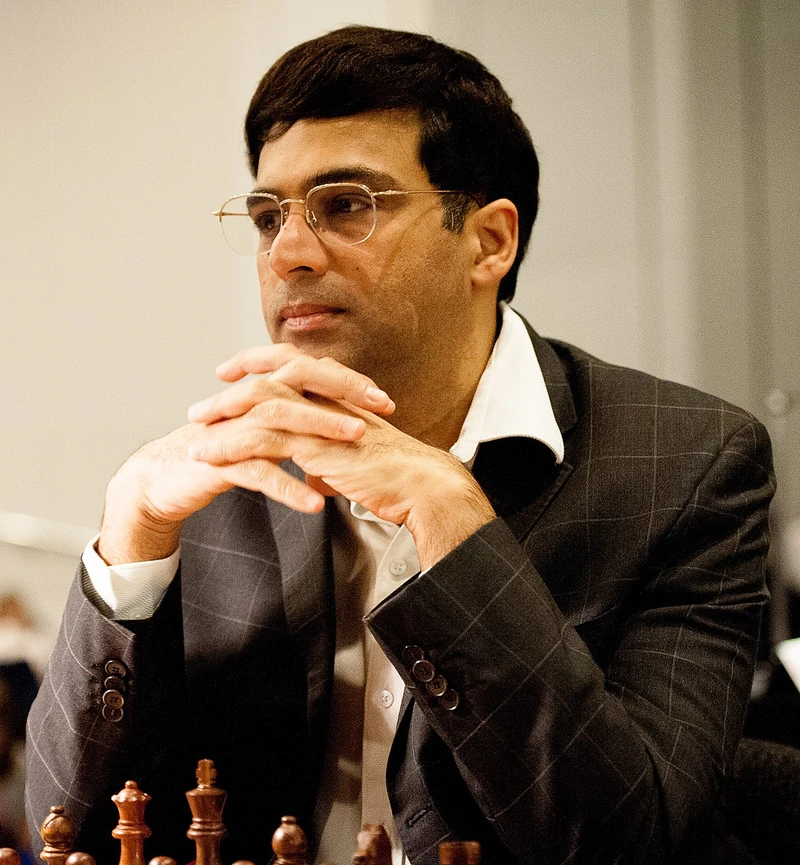
(Photo Courtesy: Wikipedia)
In Game 8 of the 2007 World Championship, Viswanathan Anand and Vladimir Kramnik reached a position with insufficient material for a checkmate. Both players had only their kings and a few pawns, but the pawns were blocked and could not promote. The game was declared a draw.
Key Takeaway:
Recognize when a position is unwinnable due to insufficient material. Instead of playing on, focus on saving energy for future games.
5. Perpetual Check
What is Perpetual Check?
Perpetual check occurs when one player can continuously check the opponent’s king without any possibility of checkmate. This forces a draw, as the opponent cannot escape the cycle of checks.
Real-Life Example: Kasparov vs. Deep Blue, 1997
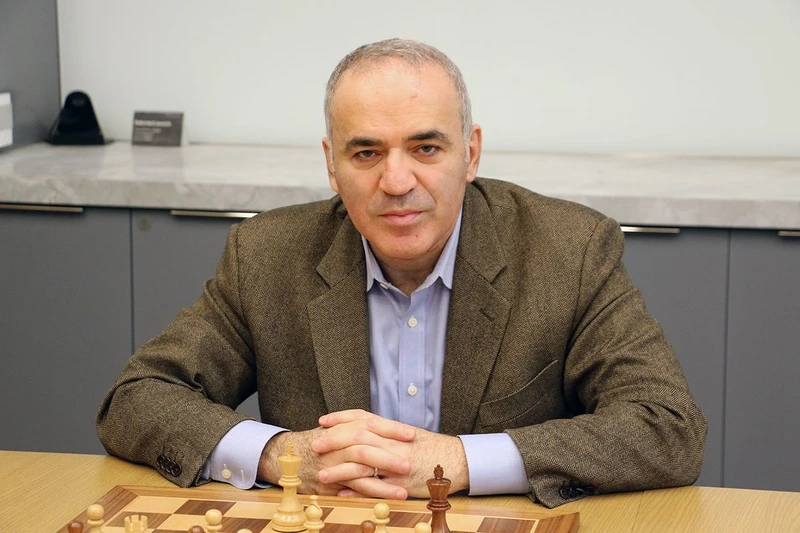
(Photo Courtesy: Chess.com)
In Game 2 of the historic match between Garry Kasparov and IBM’s Deep Blue, Kasparov used perpetual check to force a draw. Despite being in a slightly worse position, Kasparov found a way to keep checking Deep Blue’s king, ensuring the game ended in a draw.
Key Takeaway:
Perpetual check is a valuable resource in difficult positions. Always look for opportunities to create a cycle of checks, especially when you’re down material.
6. Mutual Agreement
What is a Draw by Mutual Agreement?
Players can agree to a draw at any point during the game. This is common in positions where neither side sees a path to victory.
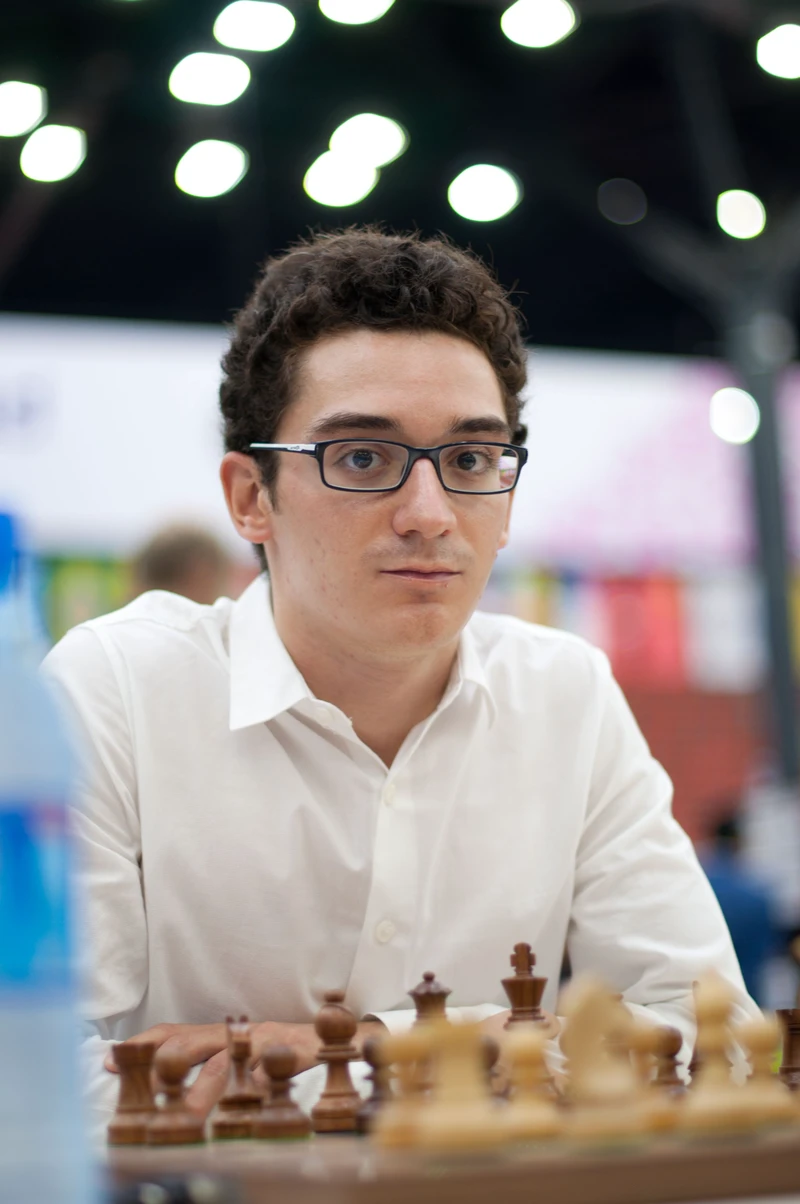
Real-Life Example: Carlsen vs. Caruana, 2018 World Championship
(Photo Courtesy: Chess.com)
In the 2018 World Championship, Magnus Carlsen and Fabiano Caruana drew all 12 classical games. Many of these draws were the result of mutual agreement, as both players preferred to save their energy for the rapid tiebreakers.
Key Takeaway:
Mutual agreement is a strategic tool, especially in long tournaments. However, avoid agreeing to draws too quickly, as you might miss winning chances.
7. Dead Position
What is a Dead Position?
A dead position occurs when no sequence of legal moves can lead to checkmate. This is similar to insufficient material but includes more complex scenarios, such as blocked pawn structures.
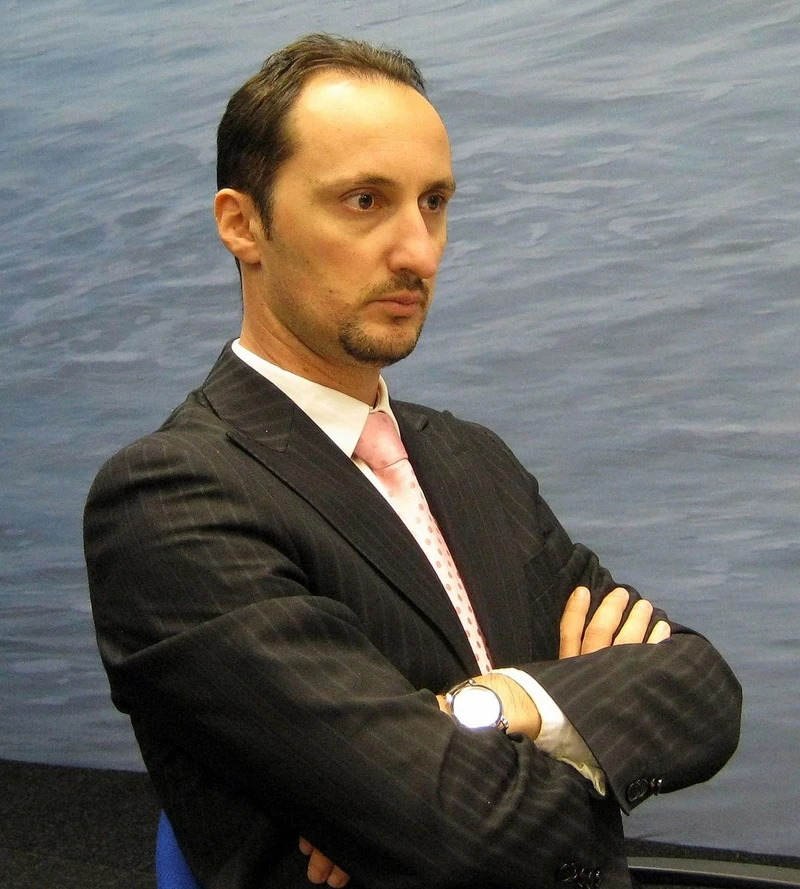
Real-Life Example: Topalov vs. Kramnik, 2006 World Championship
(Photo Courtesy: Chess.com)
In Game 7 of the 2006 World Championship, Veselin Topalov and Vladimir Kramnik reached a dead position where neither player could make progress. The game was declared a draw after the arbiter confirmed the impossibility of checkmate.
Key Takeaway:
Dead positions often arise in endgames with blocked pawns. Recognize these scenarios early to avoid wasting time.
8. Time vs. Insufficient Material
What is Time vs. Insufficient Material?
If a player runs out of time but the opponent has insufficient material to deliver checkmate, the game is declared a draw. This rule prevents players from losing on time in unwinnable positions.
Real-Life Example: Nakamura vs. Karjakin, 2016 Candidates Tournament

(Photo Courtesy: Wikipedia)
In a rapid game between Hikaru Nakamura and Sergey Karjakin, Nakamura flagged (ran out of time), but Karjakin had only a king and bishop. Since checkmate was impossible, the game was declared a draw.
Key Takeaway:
Even in time trouble, assess your opponent’s material. If they cannot deliver checkmate, focus on survival rather than risky moves.
9. Adjournment and Abandoned Games
What are Adjournment and Abandoned Games?
In the past, games could be adjourned and resumed later. If a game could not be resumed, it was declared a draw. While adjournments are rare today, abandoned games due to external factors (e.g., power outages) can still result in draws.
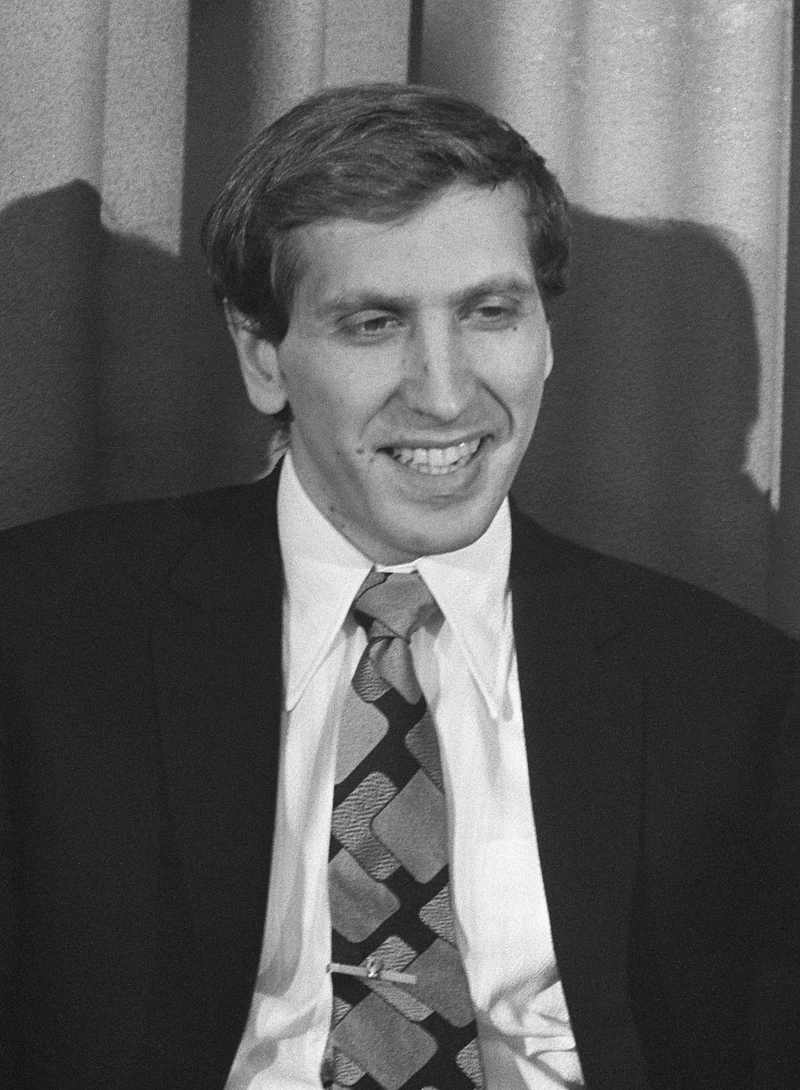
Real-Life Example: Fischer vs. Spassky, 1972 World Championship
(Photo Courtesy: Wikipedia)
During the famous Fischer-Spassky match, several games were adjourned and analyzed extensively. While not a draw, the adjournment process highlighted the importance of preparation and analysis.
Key Takeaway:
While adjournments are no longer common, the concept of analyzing positions deeply remains crucial. Use your time wisely to find the best moves.
Draws are an essential aspect of chess, offering players a way to escape lost positions, conserve energy, and navigate complex endgames. For hardcore chess players, mastering the art of forcing and avoiding draws can be the difference between victory and defeat. By studying real-life examples and understanding the rules, you can elevate your game to new heights.
If you’re serious about improving your chess skills, consider joining the Caissa School of Chess. With expert coaches and a structured curriculum, Caissa provides the tools you need to excel in every phase of the game, including endgames and draw techniques.
Website: https://circlechess.com
Remember, chess is not just about winning - it’s about understanding the beauty and complexity of the game.
Copyright Disclaimer:
The images used in this blog are for illustrative and educational purposes only. All visual content is copyrighted to its respective owners, and proper credit has been given to the original sources wherever applicable. If you are the owner of any image and believe its use on this blog infringes upon your copyright, be sure to get in touch with us immediately, and we will promptly address the issue by either providing additional credit or removing the image. We do not intend to violate any intellectual property rights and strive to respect the creative works of others.
You may also like
 ebk1976
The 12 Best Chess Players of All Time
Who never became world champion. FM CheckRaiseMate
What Good Opening Prep Really Looks Like
There are no prizes for memorizing random moves FM MathiCasa
Chess Football: A Fun and Creative Variant
Where chess pieces become "players" and the traditional chessboard turns into a soccer field CircleChessTeam
Chess and Intelligence: How Playing Chess Can Boost Cognitive Abilities
This blog delves into the fascinating findings of a research paper titled "Intelligence and Chess" b… CircleChessTeam
Inside Michal Mazurkiewicz's World Record: 16 Chess Games While Diving 700 Times
Chess has been played on mountaintops, in zero gravity, and even by mail - but nothing compares to t… CircleChessTeam