
Understanding Openings: A Practical Approach
As a chess player and coach, I've spent a lot of time learning and teaching chess. I never used to focus much on openings, but recently, I’ve started studying them more. I've realized that it's more important to understand the main plans and ideas behind openings rather than just memorizing lots of moves.
Beyond Memorization: Understanding the Game
Many people think that to be good at openings, you need to memorize a lot of moves. But this can be confusing if you don't understand the reasons behind the moves. It’s better to learn the main plans, typical positions, and possible endgames that come from these openings.
Teaching Openings: Emphasizing Systems Over Theory
With my students, I like to teach them systems instead of just making them memorize lots of theory. This way, they understand the game better and can apply the main principles. Systems give a clear framework to follow, helping players focus on strategy and tactics.
As players get better, it’s useful to learn more about opening theory. But this should always be combined with understanding the main principles and ideas. The goal is to know why each move is made, not just to remember moves.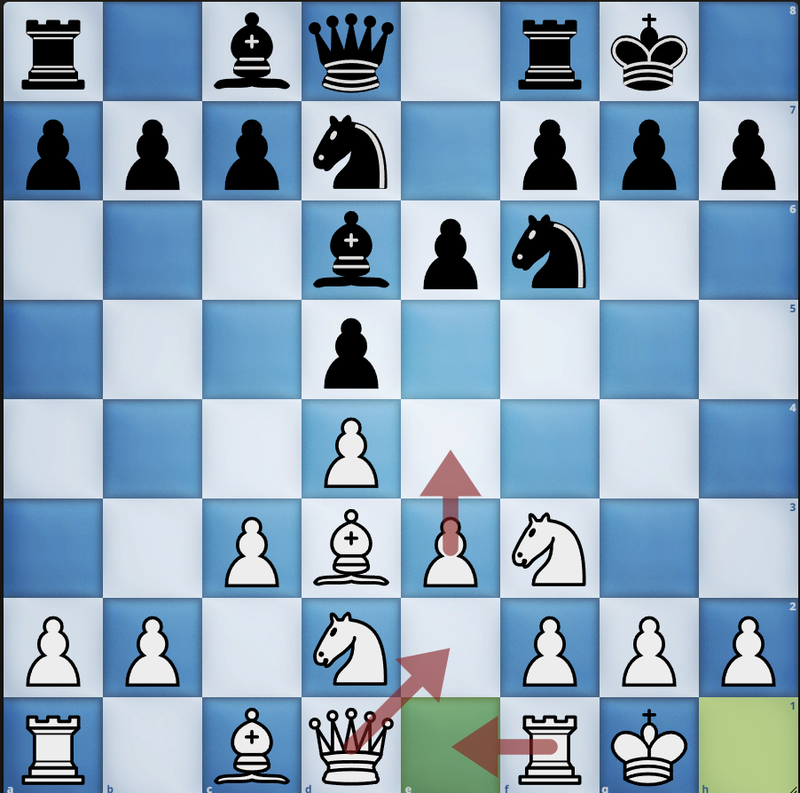
The Importance of Principles and Ideas | Common mistakes
Here are some key ideas I teach my students:
- Piece Activity: Develop your pieces to active squares where they can control the game.
- King Safety: Make sure your king is safe, usually by castling.
- Control of the Center: Try to control the central squares with your pawns and pieces.
- Pawn Structure: Understand your pawn moves and keep a strong structure.
- Piece Coordination: Make sure your pieces work well together.
Common Mistakes to Avoid in Openings
- Neglecting Development:
Moving the same piece multiple times or delaying piece development can lead to a weak position. Always aim to develop your pieces efficiently. - Ignoring King Safety:
Delaying castling or exposing your king early can lead to quick losses. Castle early to ensure your king’s safety. - Overextending Pawns:
Moving too many pawns can weaken your position and create targets for your opponent. Be mindful of your pawn structure.
PRO TIP TO AVOID BLUNDERS: Always ask yourself: Why did my opponent move there? Is my opponent threatening something?
Conclusion
In conclusion, learning chess openings is about more than just memorizing moves. By understanding the main ideas and plans, players can become more confident and successful. As a coach, I aim to help my students develop a deep understanding of the game, preparing them for higher levels of play.
You may also like
 WGM mlatb
How to Make Progress Based on Your Rating
Improving requires targeted strategies depending on your Lichess rapid rating. Here’s how you can ma… CM Olaffo
The 3 Most Common Blunders Under 1000 and How to Avoid Them
If you're still struggling to break 1000 in chess, chances are you're making the same mistakes as mo… CM Olaffo
4 Essential Tips to Break the 1000 rating Barrier
Many chess players struggle to break the 1000 rating barrier, often making the same mistakes over an… GM Avetik_ChessMood
10 Things to Give Up to Enjoy Chess Fully
Discover how embracing a lighter mindset can help you enjoy chess again and achieve better results. FM CheckRaiseMate
How Should a Chess Strategy Book Be Structured?
Most of the books out there share the same handful of problems CM HGabor