
Analyze Your Chess Games Like a Pro

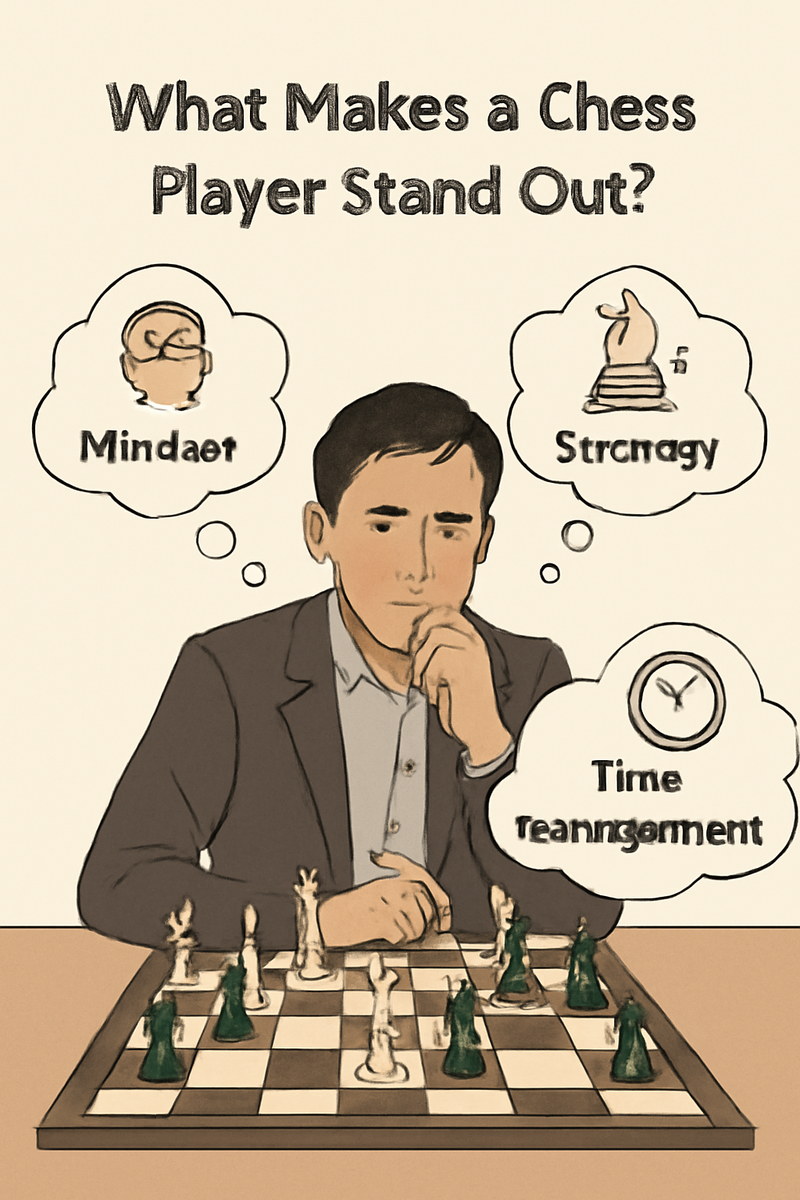

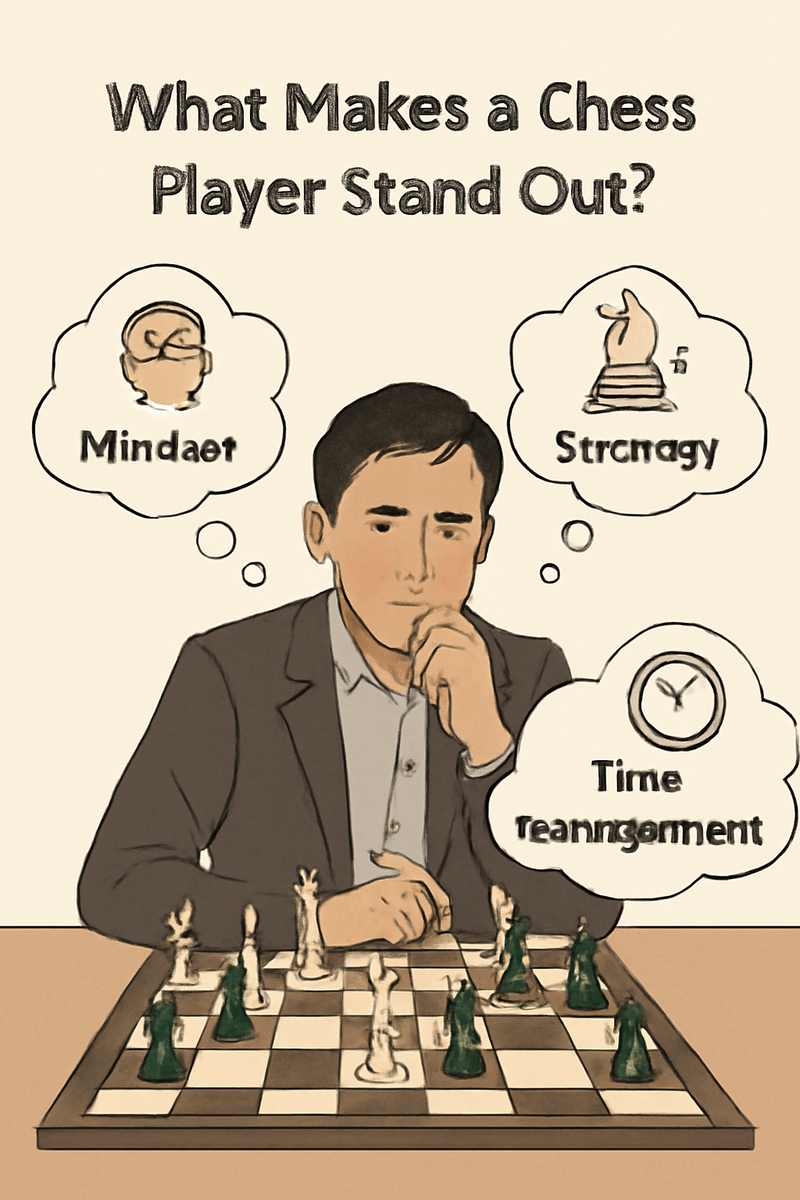
Chess analysis has undergone a remarkable transformation with the advent of AI-powered engines, interactive databases, and advanced training platforms. Whether you're a novice or a seasoned player, mastering the art of analyzing your games is the most efficient path to improvement. This guide outlines a comprehensive approach, covering a step-by-step method, the best AI tools like Stockfish and Leela, techniques to identify key mistakes, and practical tips to enhance your analytical skills.
The process begins with a self-review phase, where you assess your game without relying on an engine to sharpen your intuition. Reflect on critical questions: Where did I make a blunder, such as overlooking a tactic or misjudging a positional move? How did my strategy align with my opponent’s plan? Did I miss pivotal ideas in the opening, middlegame, or endgame? For an added boost, leverage Lichess’ "Practice" feature, which automatically suggests training positions drawn from your game, fostering a deeper understanding of your decisions.
Next, integrate AI engines to pinpoint errors with precision. Free tools like Stockfish 16+ on Lichess’ Analysis Board (available at lichess.org/analysis) and Chess.com’s Game Report (accessible at chess.com/analysis) are industry leaders. These platforms highlight blunders and mistakes with clear markers, suggest alternative moves, and focus on critical moments where the game’s evaluation shifts dramatically. For a richer perspective, compare Stockfish’s tactical prowess with Leela Chess Zero’s positional insights, offering a dual lens on your play. Additionally, Chess.com’s Game Report and Lichess Insights provide summaries and trend analyses—such as recurring endgame losses—helping you identify patterns to address.
To refine your opening and middlegame strategies, tap into databases like Lichess’ Masters Database and Chess.com’s Opening Explorer. These resources reveal how grandmasters handle your chosen openings and provide win rate statistics, allowing you to pinpoint deviations from established theory if you struggle early. For middlegame planning, Chess.com’s "Coach" feature offers real-time strategic guidance, while Lichess Studies provide curated lessons on pawn structures and piece coordination.
Training your weaknesses is the next crucial step. Lichess’ "Learn from your mistakes" feature generates puzzles from your blunders, and Chess.com’s "Move Trainer" replays critical positions to reinforce learning. For endgame mastery, utilize Lichess Tablebase and Chess.com Endgame Drills, which offer AI-perfect solutions for positions with seven or fewer pieces—ideal for correcting mishandled rook endgames, for instance.
Finally, track your progress and adjust your training accordingly. Regularly review Lichess Insights and Chess.com Stats to monitor frequent mistakes, such as tactical oversights or time trouble, and assess win rates across different openings. Revisit old games monthly to measure improvement and refine your focus.
To maximize effectiveness, dedicate 20-30 minutes per game, concentrating on one or two key lessons—such as improving check calculations—rather than overwhelming yourself with details. Blend AI analysis with human intuition, as engines excel at identifying moves but often miss the strategic "why" behind them. The best free tools, including Lichess Analysis, Chess.com Game Report, Lichess Insights, and Chess.com Move Trainer, provide robust support for this journey.
In conclusion, modern AI tools have revolutionized chess analysis, making it more accessible and impactful than ever. By combining self-reflection, engine-assisted reviews, and targeted training, you can transform weaknesses into strengths and accelerate your growth. What’s the biggest challenge you face in analyzing your games? Share your thoughts, and I’ll offer tailored guidance to help you excel!
You may also like
 itxSMG
Atari 2600 Beats ChatGPT in Chess: What This Really Tells Us About AI Agents
The article reports that the Atari AI model recently defeated ChatGPT (or more precisely GPT-4-based… itxSMG
Chess & Autism: Where Brilliance Finds Its Move
About Chess Helping Autistic Kids itxSMG