
just search up clock with face on google ITS NOT THAT DEEP
When you should play chess
Have you ever felt burnt out when playing chess but you push on?
Chess, long regarded as a symbol of intellectual rigor and strategic thinking, is a game celebrated for its capacity to enhance cognitive abilities, promote patience, and encourage foresight. However, like any intense mental activity, chess played for extended hours can come with a range of risks. While often overlooked, the potential dangers associated with long chess sessions are both physical and psychological, affecting not only health but also overall well-being.
Physical Strain and Health Issues
One of the most immediate concerns of prolonged chess playing is physical strain, particularly due to sedentary behavior. Chess tournaments or online playing sessions can last for several hours without breaks, leading players to remain seated for extended periods. This can result in back pain, neck stiffness, poor posture, and, over time, more serious complications such as repetitive strain injuries or musculoskeletal disorders. Eyestrain from prolonged screen use during online chess games can also contribute to headaches and blurred vision.
Furthermore, long hours of play can lead to disrupted sleep schedules. This is particularly common among online players who engage in late-night matches or tournaments spanning different time zones. Inadequate sleep not only affects overall health but also diminishes cognitive performance—ironically undermining the very skills chess is meant to enhance.
Mental Fatigue and Cognitive Overload
Chess is a mentally demanding activity that requires deep concentration, memory recall, and decision-making under pressure. While these elements make the game intellectually stimulating, they also contribute to mental exhaustion when overdone. Playing for long stretches without rest can lead to cognitive fatigue, reducing the ability to focus and think clearly. This is particularly problematic in high-level matches where a single lapse in judgment can result in a lost game.
Cognitive overload can also lead to increased anxiety, especially for competitive players. The mental pressure to perform well and avoid mistakes often intensifies during long sessions, potentially causing burnout. This form of psychological stress can diminish the enjoyment of the game and affect other areas of life, such as academic or professional performance.
Social Isolation and Lifestyle Imbalance
Extended chess playing can sometimes foster social isolation. Players who become deeply absorbed in the game may inadvertently neglect social relationships, family responsibilities, or personal development. This is especially evident in the digital era, where online chess can be played continuously without the structure or social interaction that comes with in-person tournaments or clubs.
Moreover, a heavy focus on chess to the exclusion of other activities can lead to a poorly balanced lifestyle. Physical exercise, outdoor activities, and diverse intellectual pursuits are important for overall development and mental health. When chess becomes all-consuming, it risks becoming detrimental rather than beneficial.
Preventative Measures and Healthy Habits
To mitigate these dangers, chess players—both amateur and professional—must adopt healthier habits. Scheduling regular breaks, maintaining good posture, engaging in physical activity, and setting time limits for daily play are essential practices. It is also crucial to stay socially engaged and pursue a variety of interests to maintain a balanced life.
For competitive players, psychological support such as mental coaching or mindfulness techniques can help manage performance pressure and prevent burnout. Emphasizing enjoyment and personal growth over constant competition can also reframe chess as a positive, sustainable activity.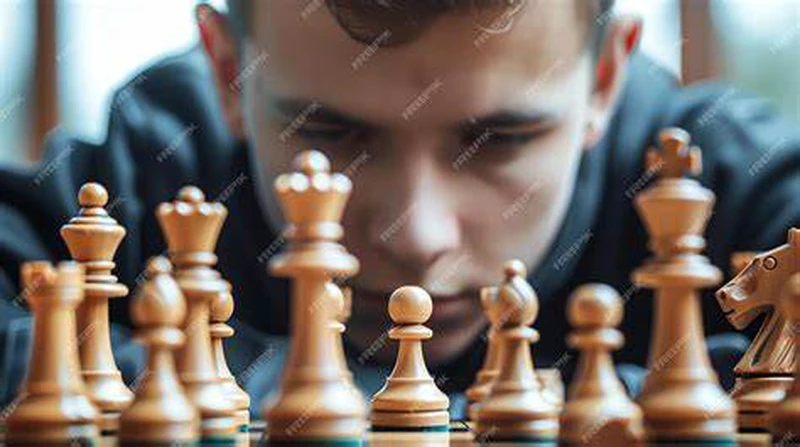
Conclusion
While chess remains a valuable and enriching pursuit, it is important to recognize that playing for long hours without moderation can pose significant risks. Physical strain, mental fatigue, social withdrawal, and lifestyle imbalance are real consequences that can undermine the very benefits chess is known to provide. As with any passion or profession, the key lies in balance—ensuring that the love for the game does not come at the cost of health or happiness.